Important news in the world of barley

Completion of the acquisition of Syngenta’s 2-row malting barley seeds business by RAGT.
• RAGT and Syngenta have completed the transaction for the transfer of Syngenta’s 2-row spring and winter malting barley seeds business to RAGT

• This acquisition enriches RAGT’s malting barley portfolio, consolidates its position across many countries, and reinforces its commitment to delivering high-quality solutions for growers and for the malting, brewing and distilling industry

• Syngenta remains fully committed to investing and growing its Seeds business globally and across Europe

RAGT and Syngenta announced today the completion of the acquisition of Syngenta’s malting barley seeds business by RAGT, following the fulfilment of all customary closing conditions, including required regulatory processes and local employee consultation procedures. The transaction was initially announced on 20 November 2025 and is now fully closed with effect from December 30, 2025. Financial terms of the transaction are not disclosed.

With the completion of the transaction, RAGT has acquired Syngenta’s Market Stainton site, a center of excellence for malting barley breeding located in Lincolnshire, UK. 11 Syngenta employees dedicated to malting barley have now formally transferred to RAGT. This acquisition also covers certain specific Syngenta IP, registrations, and other related intangible assets.

Laurent Guerreiro, President of the RAGT Group said:

“This acquisition gives RAGT a strong international barley platform with outstanding genetics and teams. We look forward to delivering value to farmers and the malting, brewing industries worldwide.”

Damien Robert, Managing Director of RAGT Semences declared:

“We are thrilled to integrate Syngenta’s barley expertise, varieties, and expert teams into RAGT. This is not only a strategic milestone that strengthens our portfolio and accelerates our RAGT 2030 strategy, but also a human adventure that brings talented people together to support farmers across Europe and beyond.”

Robert Hiles, Seeds Field Crops Marketing & Portfolio Management Head at Syngenta Europe said:

“We are pleased to see this agreement reach completion and to provide continuity for the teams and partners involved. RAGT is a strong and trusted player with a proven record in integrating strategic acquisitions, and we are confident the business is well positioned for future success. Syngenta remains fully committed to the growth of our Seeds business and to continued investments in key strategic markets and crops in Europe.”

Both companies will continue to collaborate during the transition period to ensure continuity. RAGT will remain committed to delivering high-quality service to growers, customers, and partners, building on the strong foundations established by Syngenta.

MEDIA CONTACT

RAGT MEDIA RELATIONS

Daler Skepper, General Manager, RAGT Australia

mailto:daleskepper@ragt.au

ABOUT RAGT

The division RAGT Semences develops multi-species worldwide to meet the needs of crop rotation imposed by environmental issues, technical requirements and the Common Agricultural Policy. RAGT Semences activities are focused on the major cultivated species. Research and innovation are at the heart of the company’s development strategy, with nearly 18% of its turnover invested in its research subsidiary and 27 research centres around the world.

Today, RAGT Semences provides its customers in more than 60 countries with innovative varietal solutions adapted to their needs.

This close-to-the-ground organisation, a resolutely innovative approach and strong relationships created with distributors have enabled RAGT to achieve and consolidate leading positions in strategic markets.

More information is available on the ragt-seeds.com website.

ABOUT SYNGENTA

Syngenta is a global leader in agricultural innovation with a presence in more than 90 countries. Syngenta is focused on developing technologies and farming practices that empower farmers, so they can make the transformation required to feed the world’s population while preserving our planet. Its bold scientific discoveries deliver better benefits for farmers and society on a bigger scale than ever before. Guided by its Sustainability Priorities, Syngenta is developing new technologies and solutions that support farmers to grow healthier plants in healthier soil with a higher yield. Syngenta Crop Protection is headquartered in Basel, Switzerland; Syngenta Seeds is headquartered in the United States. Read our stories and follow us on LinkedIn, Instagram & X.
Powerhouse wheat varieties go head-to-head with some interesting results

By Mel Williams Farm Weekly

November 15 2025

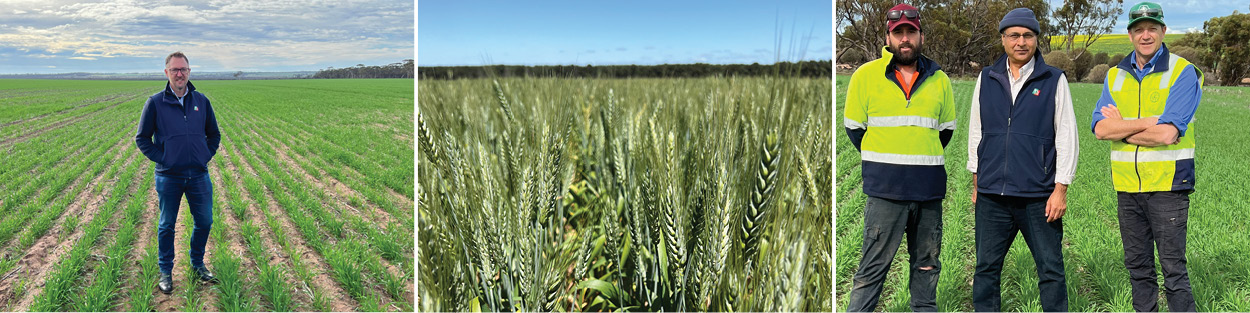
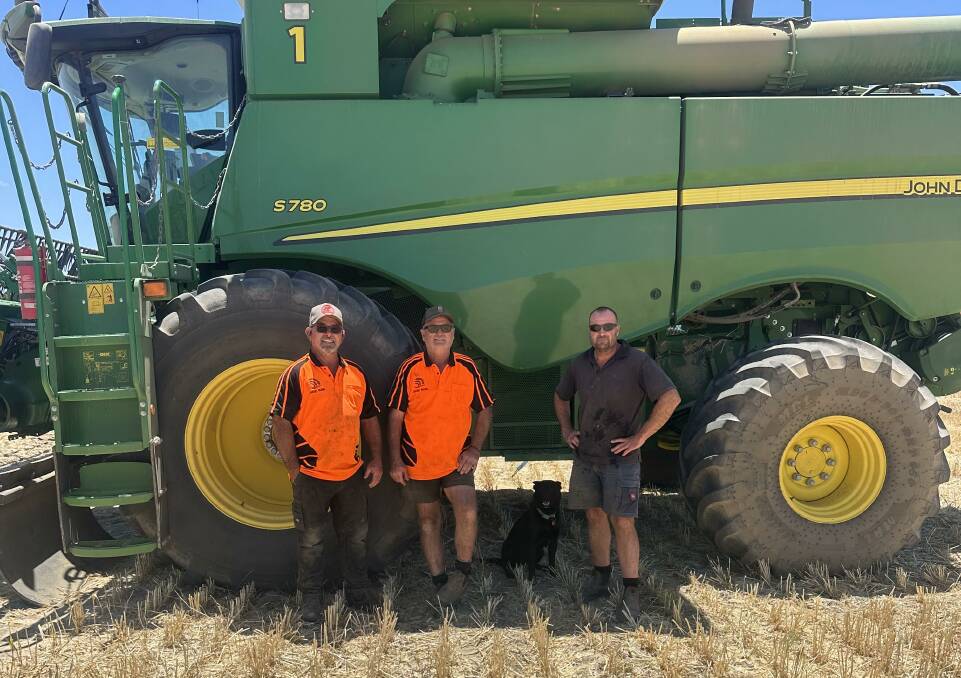
It’s been all hands on deck at the Reid’s property during harvest with Dennis Reid (left) and staff Craig Cox and Richard Daniels on to canola this week. Picture supplied

North Kellerberrin grower Dennis Reid pitched Tomahawk CL against the new RGT Marsh in strip trials this year – and the results were not what he expected.

Both varieties are considered powerhouses for Western Australian broadacre farmers, who now face the challenge of choosing from more than 50 wheat options, with new releases each season.

Tomahawk CL has proven to be the highest-yielding Clearfield wheat in WA and has a grain size and test weight similar to Scepter.

RGT Marsh is a quick-mid variety in terms of season length/phenology, sitting between Vixen, Scepter and Tomahawk CL and giving it a very flexible fit across WA environments.

Mr Reid seeded Tomahawk CL and RGT Marsh in adjacent strips.

RGT Marsh averaged 3.72 tonnes per hectare, compared with Tomahawk CL at 3.65t/ha.

The hectolitre weight of RGT Marsh was 79.2, compared with Tomahawk CL at 74.6 – indicating fewer small grains – while protein was slightly higher in Tomahawk CL at 9.3, compared with 8.8 in RGT Marsh.

“We were really happy with both varieties, but – along with its good grain performance – the RGT Marsh was also noticeably easier to harvest,” Mr Reid said.

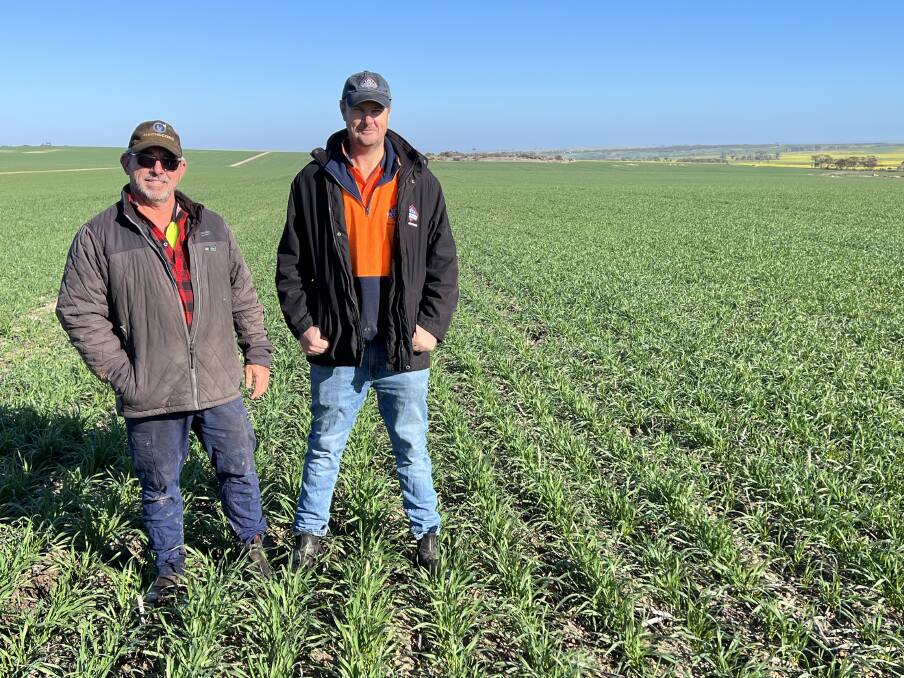
Kellerberrin farmer Dennis Reid (left) and Shane Starling, Eastern Districts Seed Cleaning Co, in Mr Reid’s 110-hectare paddock of new RGT Marsh at the start of this year.

Mr Reid farms with his wife, Sonia, and is using a John Deere 680 and John Deere 780 harvester, both fitted with Harrington Seed Destructors.

This year, the Reids seeded 2200 hectares of their 4000ha property to wheat.

They used Tomahawk CL, Catapult, Calibre and RGT Marsh across 110ha to bulk up seed for next season.

Their canola program covers 1100ha planted to Regiment XC and Hunter TF, and barley comprises 270ha of Maximus.

Smaller areas of lupins and oats round out the program.

Aside from the wheat trial, Mr Reid said they had already harvested 465ha of canola, achieving above-average yields of about 2.4t/ha with excellent oil content.

Like many farmers, he described the season as one “ridden by the seat of your pants”.

“We got early March and April rain, but none in May, only 29 millimetres in June, 36mm in July and then a saving grace of 106mm in August,” he said.

“That August rain changed the game – and another 27mm in September really finished things off nicely.”

Choosing wheat varieties each year remains a difficult decision for the Reids, who require a long-season line, a mid-season line and a specific IMI-tolerant option.

“RGT Marsh might just fit into our system as the main mid-season, non-IMI-tolerant variety,” Mr Reid said.

“It seems to have a good disease package, and it handled this year’s tough conditions really well.

“We’re definitely going to use it as part of the 2026 wheat program, but we’re waiting on its classification before deciding how much to plant.”

RAGT broadacre business development manager, David Peake, said RGT Marsh had been bred specifically for WA Wheatbelt conditions.

He said the late-season rains across much of the agricultural region appeared to have given this new variety an edge in low to mid-rainfall areas, compared with quicker-maturing lines, such as Vixen and LRPB Anvil, which can have capped yields in favourable finishes.

Mr Peake said RGT Marsh had been planted from Mullewa to Beaumont, and, where late rains fell, its performance was particularly strong.

“Feedback from around the State is that RGT Marsh has yielded above the farm average on many properties,” he said.

“With robust performance in tough seasons and standout disease resistance, this variety has proven itself over multiple years where others stumble.

“RGT Marsh is a new yield weapon for WA growers.”

Mr Peake said three years of National Variety Trials across 47 sites showed RGT Marsh to be a consistently strong performer across all WA zones, particularly in May-June sowings.

“Its upright leaves give better light interception, and it has strong resistance to rust, Septoria nodorum and black point,” he said.

“It offers excellent grain quality with low screenings, good grain size and solid sprouting tolerance.

“AH or APW classification is pending from Grains Australia.”

Mr Reid still has 600ha of canola to harvest before moving on to the balance of his wheat crop.

“Our harvest results so far have been amazing, given the season we had,” he said.

“If only grain prices were a bit better.”

Longerenong College Open Day – Sunday 10 August

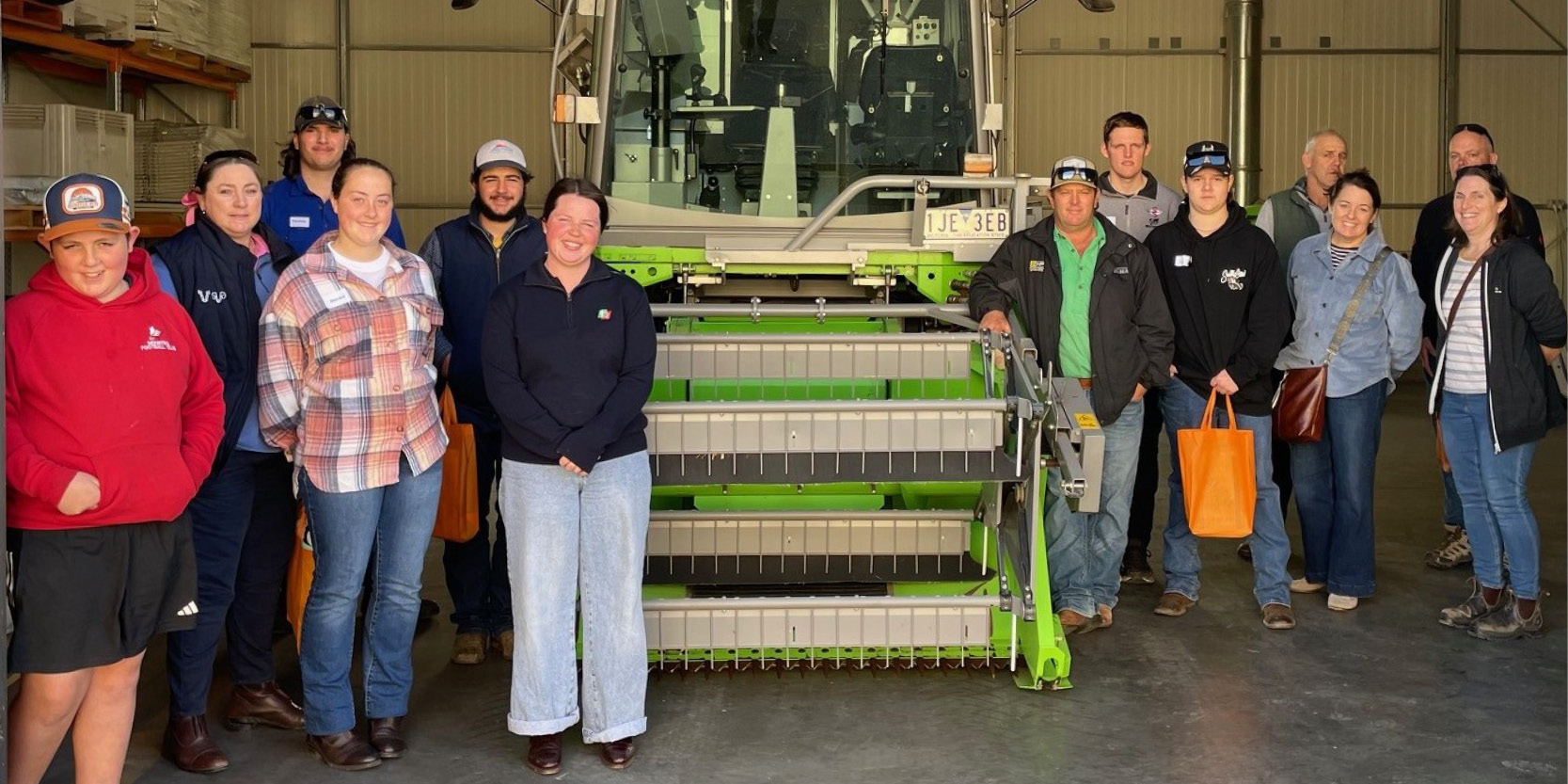
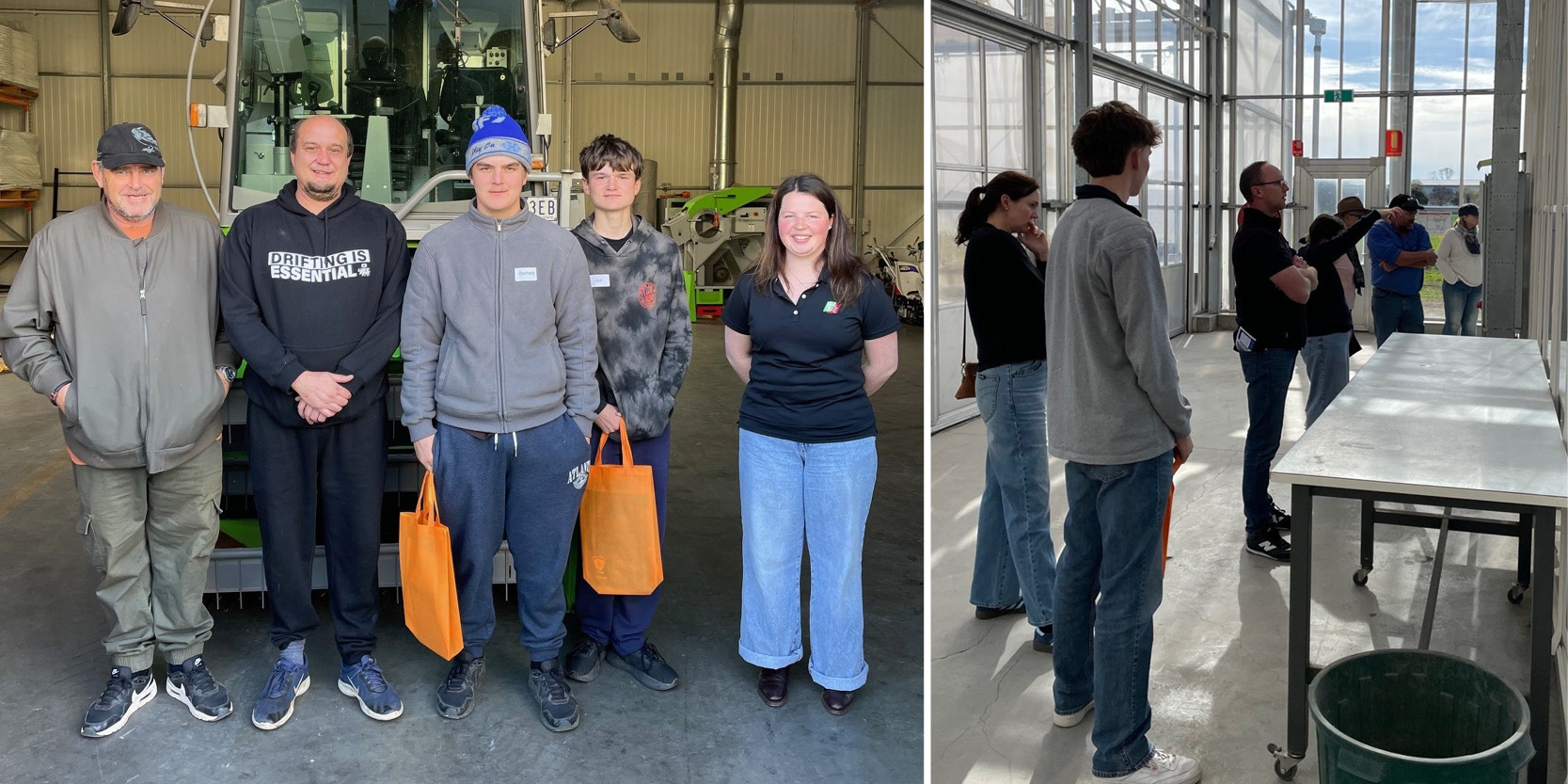
RAGT Australia’s Lauren May, Glasshouse Technical Officer, and Maqbool Ahmad, Senior Plant Breeder, welcomed visitors to the Longerenong Wheat and Broadacre Breeding Facility as part of the Longerenong College Open Day.

Prospective students and their family members were greeted with an overview of RAGT, both globally and within Australia, including the crops and pasture species we work with as a seed company. Visitors then learned about the wheat breeding process – how new varieties are developed for Australian conditions – along with details of our most recent product launches.

Lauren shared her hands-on experience with glasshouse experiments, from growing parent plants and making crosses to developing populations and using DNA markers to target specific genes or track particular genetic traits. She also highlighted the work placement opportunities available through the Longerenong College/RAGT collaboration. Throughout the day, operational slides and videos played in the background, adding visual insight into our work.

Some visitors were curious about the smaller-scale farm equipment we use. Maqbool explained that while our research plots are small, there are many of them – and accuracy in data collection is key to breeding success.

Approximately 60 visitors from as far as Murray Bridge in South Australia and from towns such as Woodend, Ballarat, Geelong, Horsham, Naracoorte, Hamilton and Swan Hill. Their backgrounds were diverse, including hay production, dairy, mixed farming, potato farming, real estate, cropping, vetch production and sheep farming.

The sessions were highly interactive, with plenty of questions about wheat breeding, training pathways for students, and career advice. Lauren was often asked about her own study background and how she came to work in agricultural research at RAGT. She delivered her presentations with enthusiasm, engaging visitors and sharing her professional journey with warmth and confidence.

The day was not only a valuable outreach opportunity but also a chance for Lauren to further develop her public speaking skills and demonstrate her natural ability in people engagement.

In summary, the event was a great success, giving visitors an inside look at the science of plant breeding and showcasing the passion and expertise of the RAGT Australia team.

Score More Winners!

Fall short in claiming the major prize of $250K.

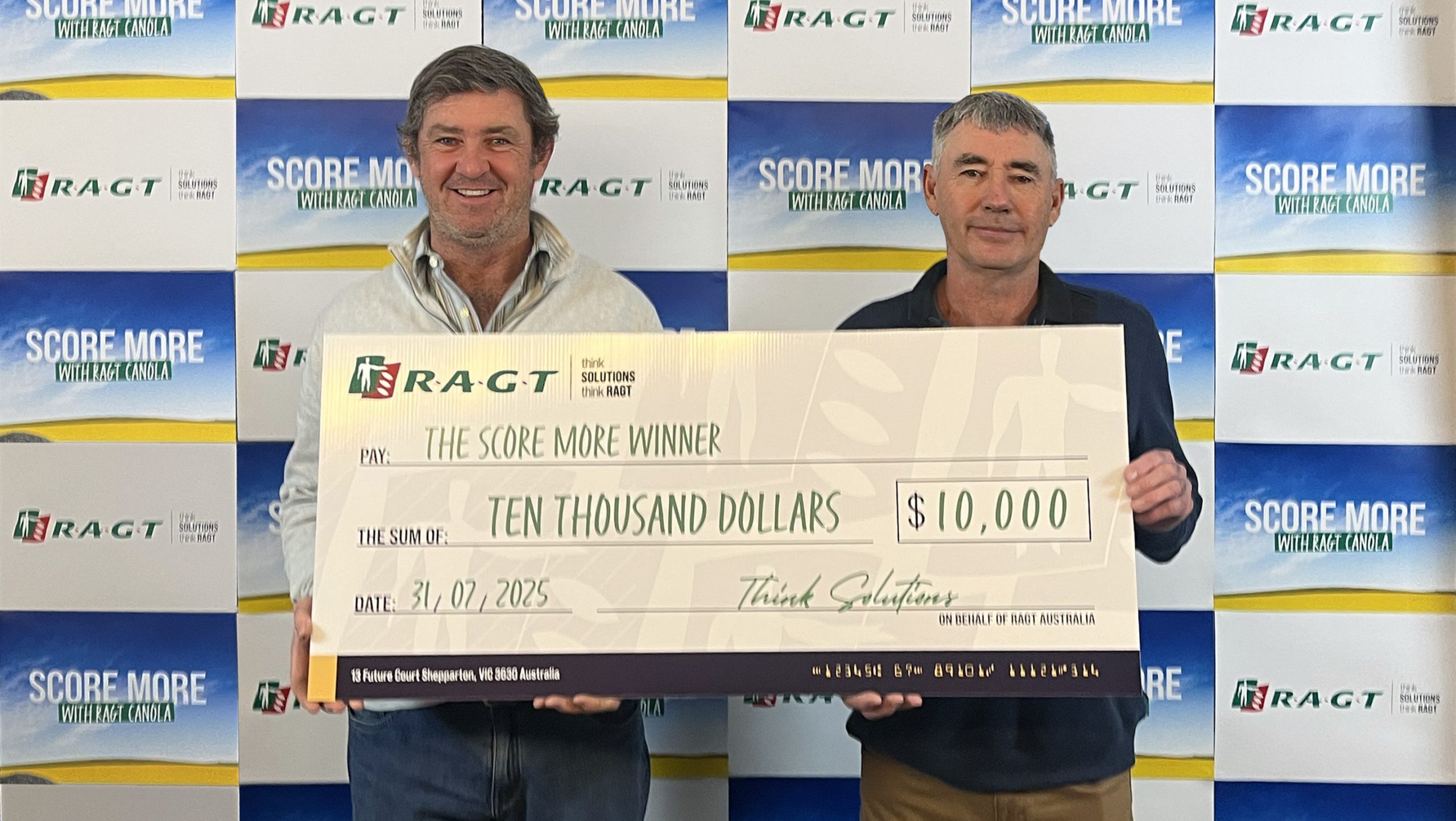
RAGT Canola growers Brian Thorp and James Brady, who each won $10K in the SCORE MORE draw, came together at the office of RAGT Australia’s marketing partner, Zebra Direction, to take part in the supervised draw for the chance to win $250K – after sowing and registering their RAGT Canola crop.

Watch Video

Under the watchful eye of an independent scrutineer, and with the draw conducted by Dale Skepper (RAGT General Manager) and Ben Quist Quist (Zebra Direction), Brian Thorp was selected for the chance to win the major prize of $250K.

Sadly, Brian didn’t pick the lucky envelope.

Both did take home $10K in cash, with Brian Thorp receiving 200kg of RAGT Canola seed and James Brady receiving 100kg – both will deliver a strong return on farm next season.

Small Commercial Evaluation of RGT Hustle RGT18 Expands to 90ha Despite Tough Seasonal Conditions

Jack Langley – Storm View Jersey, Labertouche
RGT Hustle RGT18 Evaluation Site – One Year On

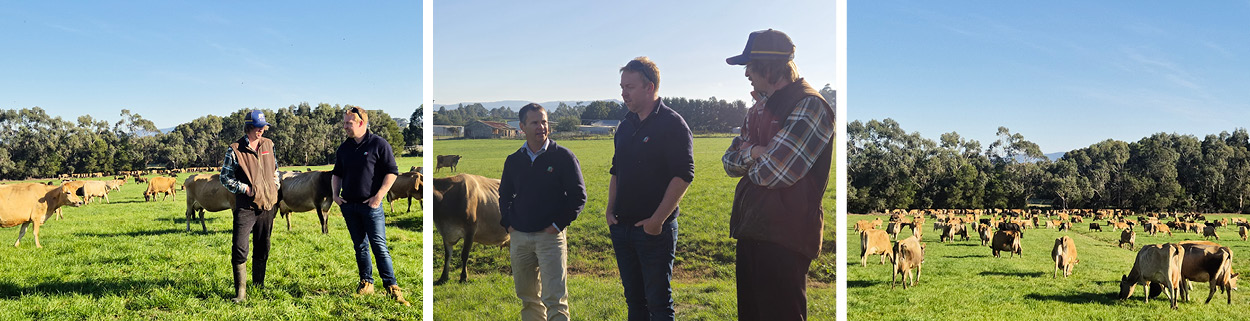
Mark Palmer, National Sales Manager, and Brett Tonkin, Territory Manager at RAGT Australia, recently revisited Jack Langley on his family’s progressive dairy farm in Labertouche, Victoria—gateway to Gippsland.

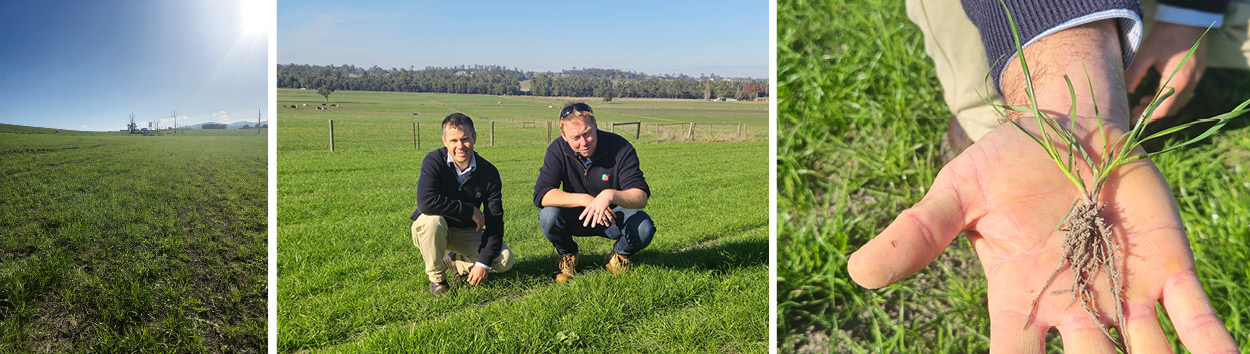
They spent a rewarding morning on-farm, interviewing this forward-thinking, high-performance dairy farmer and inspecting a RGT Hustle RGT18 pasture that has now surpassed the one-year mark.

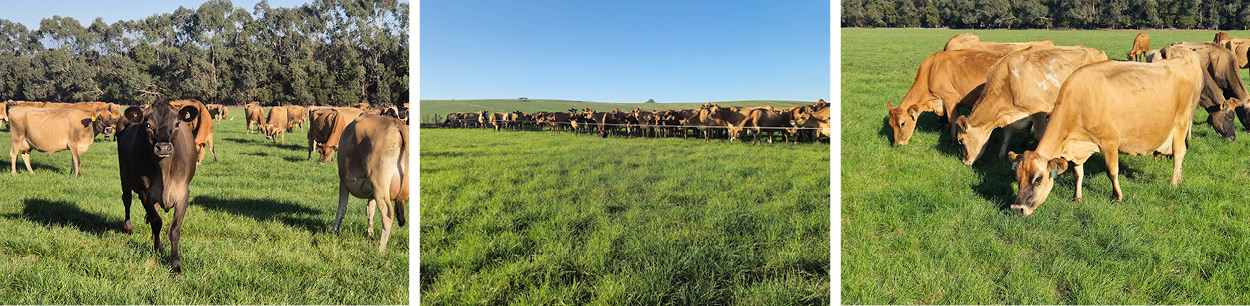
Back in April 2024, the Langley’s volunteered to sow 10 hectares of RGT Hustle RGT18 as part of an early commercial evaluation and provide feedback to both RAGT and the broader dairy industry. Just five months later, in September, they welcomed resellers and farmers as part of RAGT AU’s RGT18 AgriBio & Gippsland Study Tour. The paddock—already grazed twice—was thriving beyond expectations on land that, according to Jack, has always been a challenge. Visitors were impressed by the pasture’s lush, healthy growth.

Now, one year on from sowing, the same RGT Hustle RGT18 paddock—currently in its second grazing for the season—is outperforming every other pasture on the farm.

This performance is particularly remarkable given the severe seasonal pressure. The region has endured a record dry period, with just 80mm of rain during what is typically a 300mm window, and no autumn break following an extremely dry summer. While other pastures were grazed down to dirt and failed to recover, RGT Hustle RGT18 continued to deliver.

This success prompted the Langley’s to renovate a further 80 hectares using RGT Hustle RGT18—transitioning from 0% to over 20% of their farm sown with this standout perennial ryegrass, known for its unique novel endophyte. Even under low rainfall and below-average soil moisture, establishment has been strong. Notably, the renovated pastures are located in some of the farm’s more challenging, elevated areas—and still, they’ve exceeded expectations.

RAGT is proud to support this innovative, multi-generational dairy farming family. RGT Hustle RGT18 is proving to be a game-changer, driving reliable productivity for their thriving herd of 310 Jersey cows.

RAGT Finalises Aquisition of the Deleplanque Group

PRESS RELEASE

Rodez and Maisons-Laffitte, France – 30 April 2025

RAGT Finalises Aquisition of the Deleplanque Group

The RAGT Group announces the completion of the acquisition of the Deleplanque Group, including its Strube and Van Waveren entities

RAGT is proud to announce the finalisation of the acquisition of the Deleplanque Group, a key player in the sugar beet and vegetable seed sectors throughout Europe and other world markets. Renowned for their experience in plant breeding and seed production, the combined synergies between the two groups will allow them to better serve farmers and agri-food supply chains alike.

RAGT and the Deleplanque Group share common expertise and values. Already possessing the broadest portfolio of species in the seed industry, RAGT, through this partnership, integrates major new species into its offer, strengthening its presence   across many countries, and further enriches its skillset and capability.

This acquisition perfectly illustrates RAGT’s strategy: providing ever more comprehensive solutions to farmers to help them address economic, climatic, and environmental challenges. “The acquisition of the Deleplanque Group aligns fully with the strategy we share with our shareholders to continue the development of our Group. It supports our growth ambitions and significantly strengthens our multi-species seed breeding activity, clearly positioning us as a key player in the sector,” says Laurent Guerreiro, President of the RAGT Group.

This integration into RAGT provides the Deleplanque Group with additional resources to intensify its investments in research and development. Our teams will be able to take advantage of this partnership to broaden their professional development and strengthen their expertise,” explains Eric Verjux, President of the Deleplanque Group.

“This acquisition represents a historic milestone for RAGT’s seed division, positioning sugar beet among our top three species. It offers the teams of both companies a unique opportunity to pool their expertise, mutually enhance their skills, and foster a stronger dynamic of collaboration and innovation. Through a continuous stream of varietal innovations and expert agronomic support, RAGT aims to establish itself as the long-term partner of choice for farmers, distributors, and agricultural and agri-food supply chains. Together, we can capitalize on our respective strengths and build an ambitious future in a rapidly evolving agricultural sector,” says Damien Robert, Managing Director of RAGT’s seed division.

Now, the teams at RAGT and Deleplanque are ready to work together. The integration process will begin, with ambitions set to be unveiled in the second half of 2025.

The new seed entity represents €500 million in revenue across more than 50 countries, with 1,500 employees, 15 seed production plants (including 7 in France), and 65 breeding programs covering nearly 40 agricultural species.

ABOUT RAGT SEMENCES

RAGT Semences develops a multi-species activity in France and globally, addressing the crop rotation needs driven by environmental challenges, technical requirements, and the Common Agricultural Policy (CAP). The company’s activities focus on the main cultivated species.

Research and innovation are at the core of the company’s growth strategy, with nearly 18% of its revenue invested in its research subsidiary and 21 research stations worldwide.

Today, through its 20 commercial subsidiaries, RAGT Semences delivers innovative and tailored varietal solutions to its clients in 50 countries. This field-focused organization, its resolutely innovative approach, and its strong relationships with distributors have enabled RAGT Semences to achieve and maintain leadership positions in strategic markets.

For more information, visit www.ragt-seeds.com.

ABOUT THE DELEPLANQUE GROUP

The Deleplanque Group comprises several family-owned businesses founded in the 19th century. It is an international player in the sugar beet seed market, vegetable seeds (peas, beans, sweet corn), and field crop seeds (mainly wheat and sunflower). Its varieties are sold in 40 countries.

The group has 450 employees spread across 9 sites, including 2 in Germany with head office located in Maisons-Laffitte, France.

Media Contacts

DELEPLANQUE group / STRUBE AU:
Richard COGMAN – Region sales Director
Tel: +44 7983 314424   Email: r.cogman@strube.net

RAGT Group:
Dale SKEPPER – General Manager
Tel: +61 448 914 040 Email: daleskepper@ragt.au

Hybrid Canola Technology Fees Vs Success Fees (EPRs) – Which Costs More?

Since their introduction in 1996, End Point Royalties (EPRs) have sparked debate. Many see them as cutting into farm gate profits while benefiting seed companies. But do they truly fund future variety development and research?

From RAGT’s perspective, EPRs are vital for developing high-performance varieties suited to Australian conditions.

Many of our wheat, barley, and canola have EPRs that support their trialling and adaptation. Our acquisition of our Longerenong Research Centre and specific white wheat breeding program in 2023 underscores our commitment to improving productivity for Australian growers.

Why the Focus on EPRs?

Many growers see EPRs as a financial burden at harvest rather than an investment in future yield improvements. However, the real cost often lies in the upfront expense of establishing a canola crop—especially for hybrids with inbred herbicide tolerance technology that have technology fees associated with them.

While EPRs are tied to actual yields, technology fees are based on potential outcomes. Choosing an expensive GM canola variety can push seed costs above $100/ha, affecting cash flow and increasing risk. In contrast, non-GM canola with traditional technology can nearly halve seed costs per hectare when agronomic circumstances provide the flexibility for it.

This season, RAGT’s non-GM hybrid TTs cost just over $60/ha, and include a free seed treatment, deferred payments, and an establishment guarantee under the SCORE MORE 2024-25 promotion. They do have a success fee (EPR) associated with them, but it’s often a lower financial burden. Plus, deferring costs until harvest preserves cash flow for other inputs during the season.

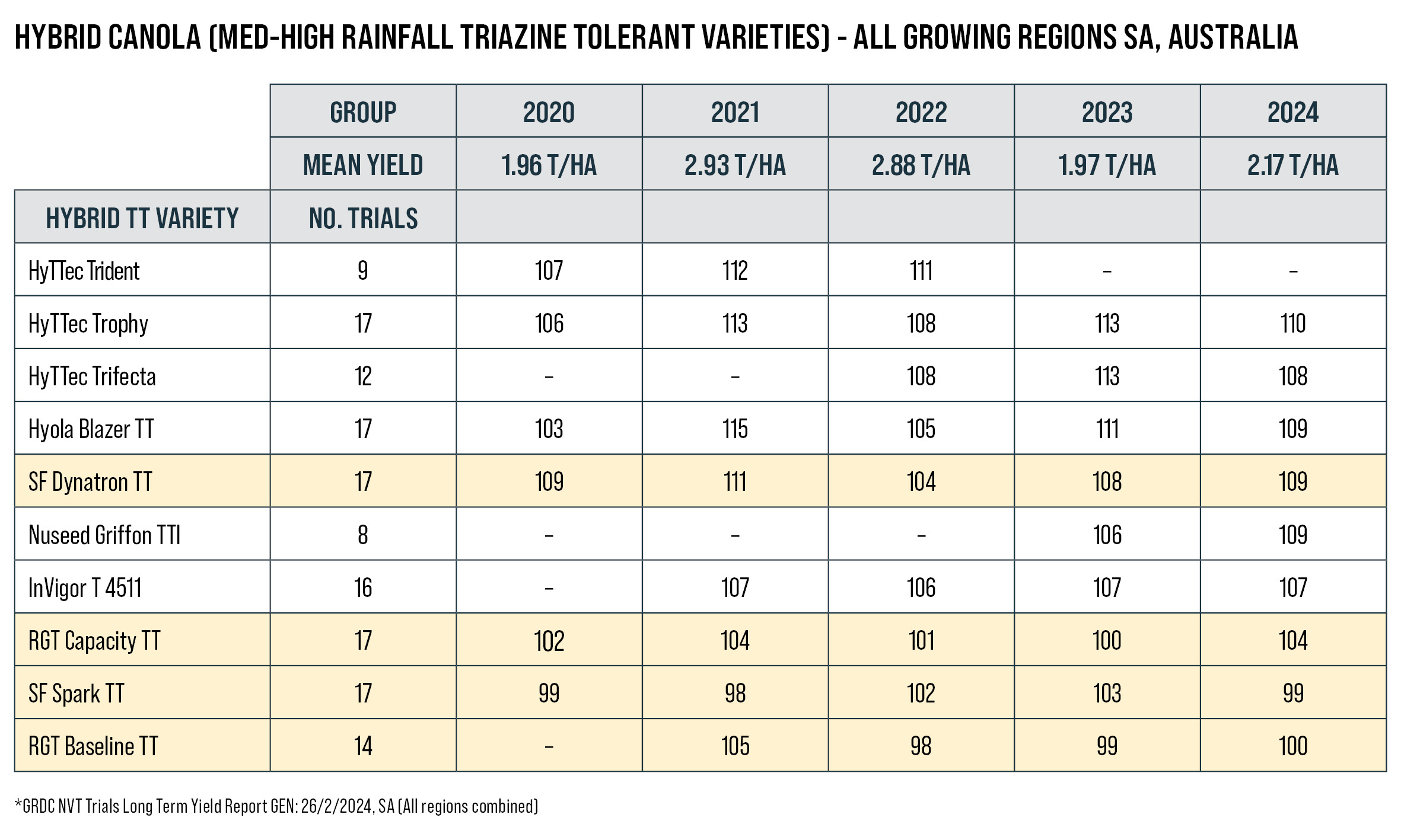
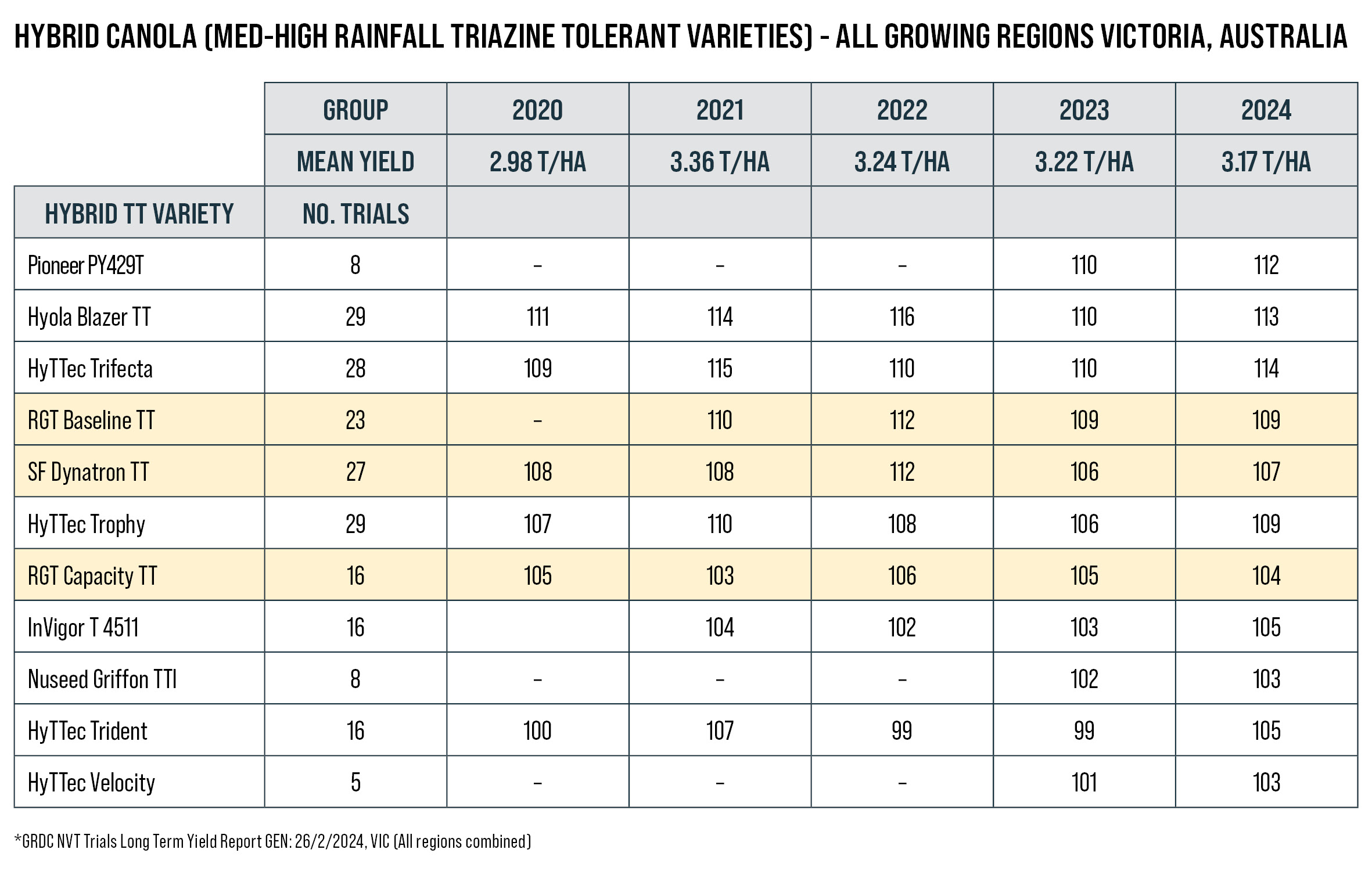
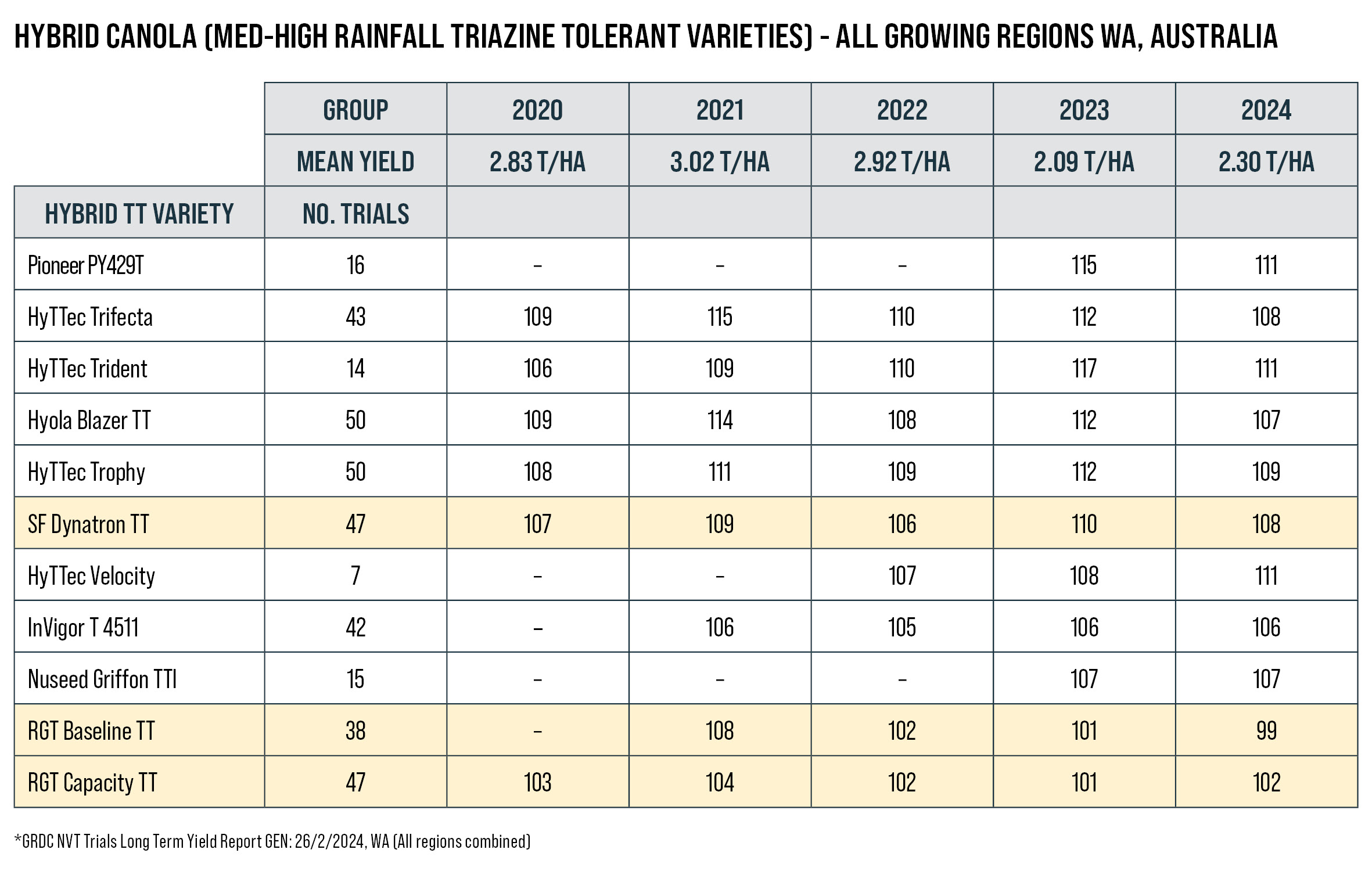
Recent data shows RAGT Hybrid TT yields are competitive with pricier technologies, making them a strong choice when assessed on cost per hectare and additional incentives.

Which fees cost more?

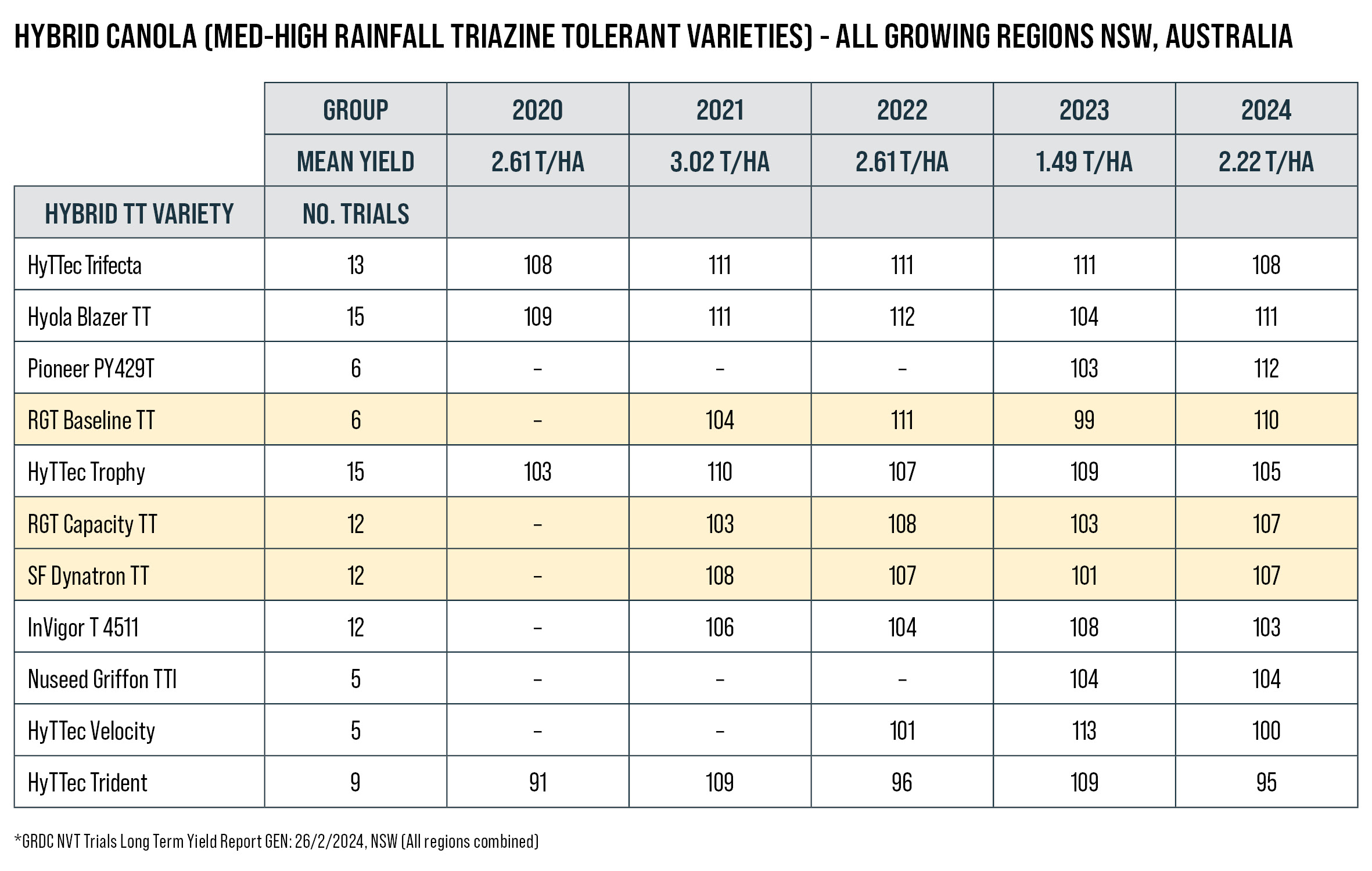
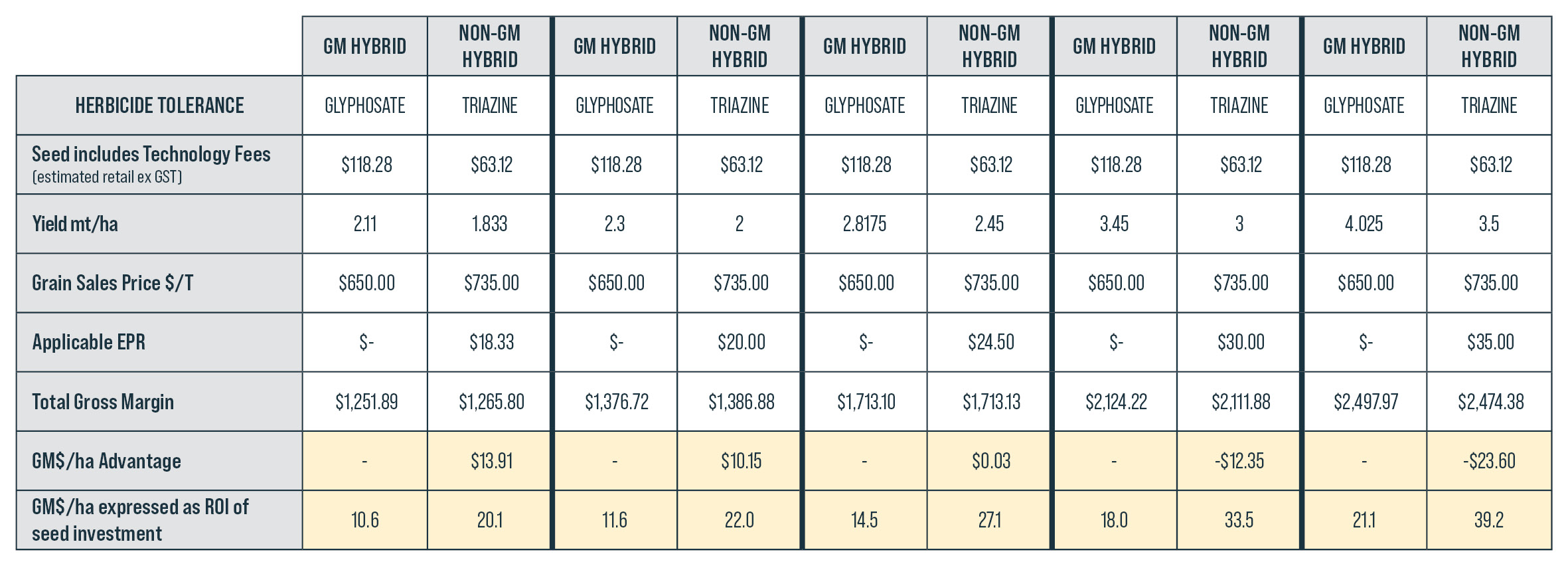
For a clearer comparison, refer to the following table:

The table highlights how non-GM canola with TT technology can be a strategic investment. It also illustrates how EPRs help avoid steep upfront costs while maintaining harvest profitability. Choosing technology wisely at the outset can impact returns and risk.

In this scenario, yields in excess of 2.81 mt/ha is where the technologies breakeven and the model inverts, however return on investment continues to be stronger as a multiple with the success fee versus technology fee option. Considering that in the majority of cases (see NVT trial tables above), the average canola yield per hectare in medium to high rainfall areas is less than than 2.81 mt/ha, adopting a success fee over technology fee strategy holds a lot of merit.

2024-25 Considerations

With climatic challenges ahead, investing heavily in GM technology means absorbing risk upfront and adopting a lower Return on Investment. A more cautious approach- opting for a TT variety with lower upfront costs and an EPR- may be a safer bet.

For seed selection advice, contact an RAGT Territory Business Manager to discuss the best options for your region and needs.

If you’d like to know more about RAGT’s hybrid canola range, contact your local RASGT Territory Business Manager


NB: This article does not factor in herbicide, insecticide, fungicide, fertiliser, or harvesting costs or specific in crop agronomic requirments Growers should seek independent agronomic and financial advice before making key farming decisions. While every effort has been made to ensure accuracy, RAGT is not responsible for purchasing decisions based on this information

RAGT Australia is proud to announce its acquisition of BASF’s open-pollinated wheat seed assets


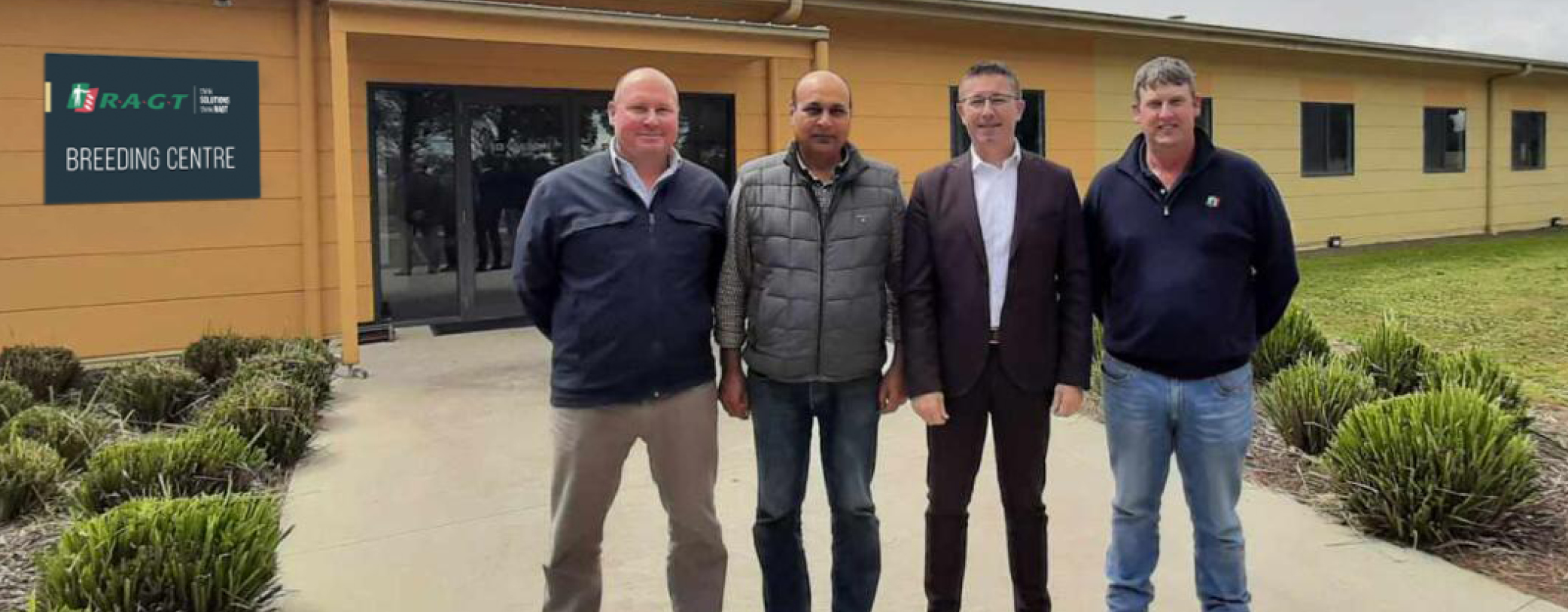
Left to right:  Dale Skepper, General Manager RAGT Australia, Maqbool Ahmad,  Senior Plant Breeder RAGT Australia, Samuel Gaste, ”New Markets” Territory Director RAGT SEMENCES, David Leah, Technical Product Development Manager – Broadacre RAGT Australia

RAGT AUSTRALIA, part of the global RAGT SEMENCES, European market leader in cereals, is proud to announce acquisition of BASF’s open-pollinated wheat seed assets in Australia.

“This new acquisition fits perfectly in our multi species strategy and reinforces our commitment in bringing innovative solutions to Australian farmers and our Partners” said Samuel Gasté, New Markets Territory Director at RAGT SEMENCES. “It will bring another level of genetic diversity in our global cereal offer.”

After the Seed Force integration, which became RAGT AUSTRALIA on January 1st, 2023, RAGT confirms its ambition in Australia by investing in domestic wheat breeding. “Already rich in a recognized portfolio in malt barley, canola, and fodder species, we are convinced that our new wheat range will strengthen our cooperation with the Australian farming industry and our local partners,” said Damien Robert, CEO of RAGT SEMENCES. He added, “This new acquisition complements our existing wheat breeding programs with unique germplasm and will have a positive impact on our worldwide cereals footprint.”

RAGT AUSTRALIA General Manager, Dale Skepper noted “this is a mature breeding program that has already delivered commercial products and a pipeline flow that appears to be rich with genetics well matched to the Australian market. We’re excited to secure this opportunity to launch into the spring white wheat segment, adding to our existing activities in the market. Our team looks forward to working with partners and providing well adapted solutions to Australian farmers, that potentially extend across the globe.”

Mr Skepper emphasised as part of this acquisition, “ we are also very pleased to be welcoming to our team the architect of the program and senior plant breeder, Maqbool Ahmad to continue to steward the program into the future.”

RAGT Australia, is a rapidly growing Australian seed business, breeding, screening and supplying premium cultivars across Australia. The business is 100% focused on assisting growers and processors increase productivity and profitability.

Think Solutions, Think RAGT.

Learn more about the exciting new additions to our range of wheat varieties